

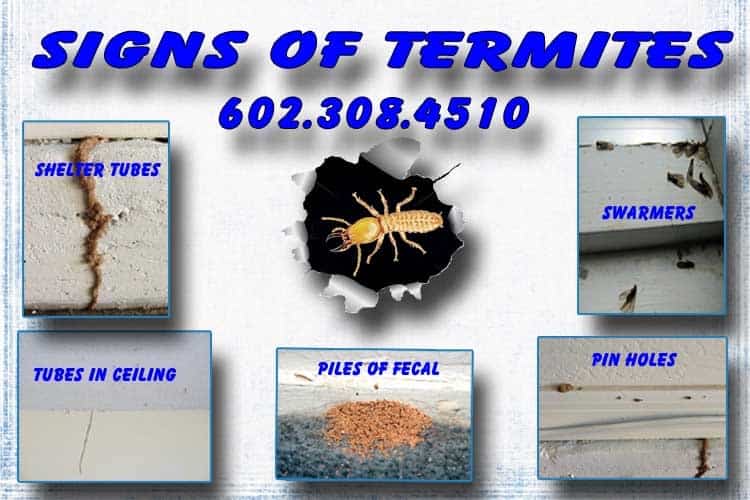
7 Signs of Termites in Arizona
Protect Your Home from Arizona’s Silent Destroyers
Don’t wait until it’s too late! Get your FREE Termite Inspection today.
As a homeowner or business owner in the Metropolitan Phoenix area, protecting your property from termites is one of the most important responsibilities you have. Termites cause billions of dollars in damage to homes and businesses across the United States every year, and Arizona’s warm climate makes it a perfect breeding ground for these destructive pests.
Understanding the signs of termites is your first line of defense. These tiny insects work silently, often causing extensive structural damage before homeowners even realize there’s a problem. That’s why knowing what to look for can save you thousands of dollars in repairs and protect your biggest investment.
At Bill’s Pest Termite Control, we’ve been protecting Arizona homes and businesses for over three generations. We’re the termite experts that other pest control companies call when they encounter tough termite problems. With more than 8,000 five-star reviews online, we’re Arizona’s trusted name in termite control.
Why Arizona Is a Termite Hotspot
Arizona’s climate creates ideal conditions for termite activity. The combination of warm temperatures, occasional moisture from monsoon seasons, and abundant wood structures makes the Phoenix metropolitan area particularly vulnerable to termite infestations. Whether you’re dealing with subterranean termites or drywood termites, recognizing the early warning signs of termites can mean the difference between minor treatment and major structural repairs.
Many homeowners don’t realize they have a termite problem until significant damage has already occurred. The signs of termite infestation can be subtle at first, but once you know what to look for, you’ll be better equipped to catch these pests before they cause serious harm to your property.
Early Warning Signs of Termites
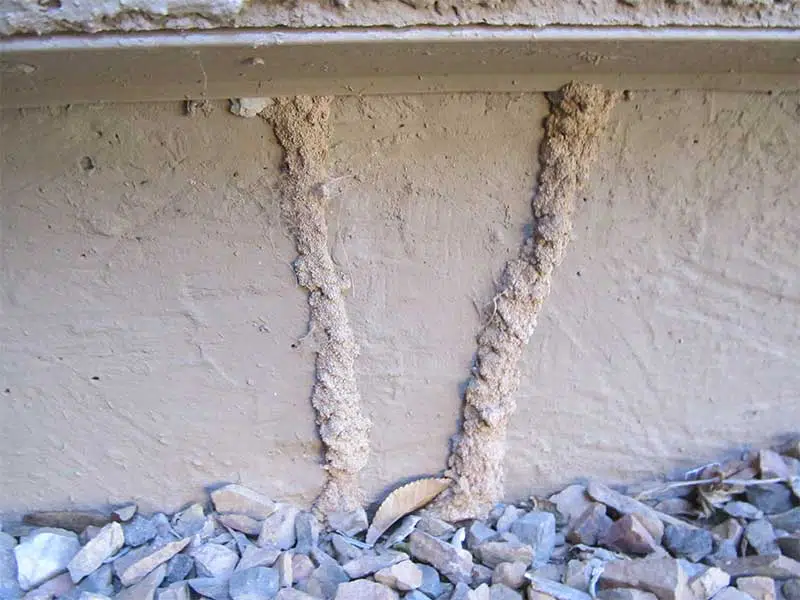
🔍 Sign #1: Mud Tubes on Walls and Foundation
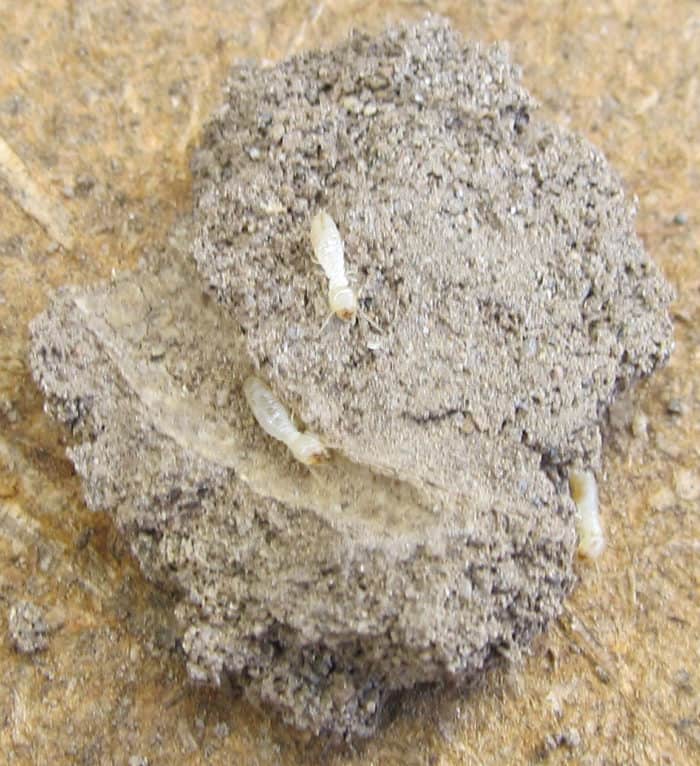
One of the most telltale signs of termites in house structures is the presence of mud tubes. Subterranean termites, the most common type in Arizona, build these pencil-sized tunnels to travel between their underground colonies and their food source—the wood in your home. These tubes are constructed from soil, wood particles, and termite saliva, creating a protective highway that shields the termites from predators and Arizona’s dry air.
What to Look For:
- Location: Check your foundation walls, basement walls, crawl spaces, and garage areas
- Appearance: Pencil-width tubes made of dried mud running vertically from ground to wood
- Texture: Can be either moist (actively used) or dry and brittle (abandoned)
- Pattern: Often found near cracks in concrete or where wood meets foundation
If you discover mud tubes on your property, this is a clear indication of subterranean termite activity. These are definitive signs of termites in walls and require immediate professional inspection. Don’t try to remove them yourself—a trained termite inspector from Bill’s Pest Termite Control can assess the extent of the infestation and recommend the most effective treatment plan.

🪽 Sign #2: Discarded Wings Near Windows and Doors
During Arizona’s spring months and after monsoon rains, mature termite colonies produce winged reproductive termites called “swarmers.” These flying termites leave their colonies to mate and establish new colonies. After their brief flight, they land, shed their wings, and pair off. Finding piles of discarded wings is one of the most obvious signs of termite activity near your home.
These wings are typically found on windowsills, near doorways, in spider webs, or on floors near light sources. The wings are translucent, roughly equal in size, and have a distinctive elongated oval shape. Unlike flying ants, termite swarmers have wings that are all the same length.
⚠️ Important: The presence of swarmer wings indicates that a mature termite colony is nearby—either in your home or very close to it. This is a critical sign of termite infestation that requires immediate professional attention.
Many homeowners mistake termite swarmers for flying ants. However, termite swarmers have straight antennae, uniform wings, and a thick waist, while flying ants have bent antennae, wings of different sizes, and a pinched waist. If you’re unsure what you’re seeing, contact Bill’s Pest Termite Control for a free inspection.

Signs of termites in baseboard
🔨 Sign #3: Hollow-Sounding Wood
Termites consume wood from the inside out, leaving only a thin veneer of wood or paint on the surface. This creates one of the most recognizable signs of termite damage in wood—a hollow sound when you tap on wooden surfaces. This simple test can help you identify hidden termite activity in your home.
Walk around your home and gently tap on baseboards, door frames, window frames, and wooden furniture with a screwdriver handle or your knuckles. Solid, undamaged wood will produce a solid, dense sound. Wood that has been hollowed out by termites will sound papery or hollow, indicating that the interior has been consumed.
Areas to Check:
- Baseboards and trim work throughout your home
- Door frames and window frames
- Wooden furniture, especially pieces against exterior walls
- Support beams in basements and crawl spaces
- Wooden decks and patio structures
These are classic signs of termites in baseboards and other wooden structures. If you notice wood that sounds hollow or feels soft when pressed, you may have an active termite infestation that requires professional treatment.

💨 Sign #4: Frass (Termite Droppings)
While subterranean termites use their droppings to build mud tubes, drywood termites push their waste out of their tunnels through small holes. This waste material, called “frass,” is one of the most distinctive signs of termite damage caused by drywood termites. Frass appears as small piles of what looks like sawdust or coffee grounds near wooden structures.
Upon closer inspection, frass consists of tiny, hard, hexagonal pellets. The color of the frass varies depending on the type of wood the termites are consuming—it can range from light tan to dark brown or black. You’ll typically find these piles beneath infested wood, often near furniture, windowsills, or baseboards.
🔍 Pro Tip: Look for small “kick-out” holes in the wood above the frass pile. Drywood termites create these holes to expel their waste, and their presence confirms active termite activity.
Finding frass is a definitive sign that drywood termites are actively feeding on the wood in your home. This requires immediate attention from termite control professionals who can locate the colony and eliminate it before further damage occurs.

Termites on wall
🎨 Sign #5: Bubbling or Peeling Paint
When termites infest walls, they bring moisture with them. This moisture can cause paint to bubble, peel, or blister on the surface of your walls. While this can also indicate water damage from plumbing issues, it’s important to investigate further, especially if you notice other signs of termites in home structures.
The damage often starts subtly—perhaps a small area where the paint looks slightly raised or discolored. Over time, as the termite colony grows and continues feeding, the affected area expands. The paint may begin to crack, peel away from the wall, or develop a bubbled texture similar to water damage.
How to Distinguish Termite Damage from Water Damage:
- Check for other termite signs like mud tubes or frass nearby
- Press gently on the affected area—termite-damaged walls may feel soft or spongy
- Look for patterns—termite damage often appears in vertical lines following wall studs
- Inspect the area with a flashlight for small holes or mud-like material
These are important drywall signs of termites that shouldn’t be ignored. If you notice unexplained paint damage, especially on exterior walls or walls that share a foundation, schedule a professional termite inspection to rule out or confirm termite activity.

Signs of termites – Termite Pin holes in baseboard or drywall
📍 Sign #6: Tiny Pinholes in Drywall
Small, pin-sized holes in your drywall or wallpaper are another indicator of termite activity. Termites create these holes as entry and exit points while they tunnel through walls. These holes can be difficult to spot at first glance, but they’re a sure sign that termites are actively moving through your walls.
Around these pinholes, you may notice additional evidence of termite activity. Subterranean termites might leave small amounts of dirt or mud around the holes, while drywood termites may leave frass nearby. These are critical signs of termites in walls that indicate an active infestation requiring immediate professional attention.
⚠️ Warning: Don’t attempt to patch these holes without addressing the underlying termite problem. The termites will simply create new holes, and you’ll have allowed the infestation to continue growing.
If you discover pinholes in your drywall, especially if they’re accompanied by other warning signs, contact a termite control professional immediately. Early detection and treatment can prevent extensive structural damage and save you thousands in repair costs.

🚪 Sign #7: Sticking Doors and Windows
Doors and windows that suddenly become difficult to open or close can indicate termite damage. As termites consume the wood in door frames and window frames, they cause the wood to warp and shift. Additionally, the moisture that termites produce as they tunnel can cause wood to swell, making doors and windows stick.
While Arizona’s humidity changes can also cause wood to expand and contract, persistent sticking that doesn’t improve with weather changes may indicate termite activity. This is especially true if the sticking is accompanied by other early warning signs of termites like mud tubes, frass, or hollow-sounding wood.
Additional Signs to Check:
- Cracks appearing in walls or ceilings near doors and windows
- Gaps developing between walls and floors
- Sagging or uneven floors
- Loose or creaking floorboards
These structural changes represent advanced signs of termite damage that require immediate professional evaluation. The longer termites are allowed to feed on your home’s structure, the more extensive and expensive the repairs become.

Termites in Ceiling
Early Stage Signs of Termites in Ceiling
Ceiling termite damage is particularly concerning because it often indicates an advanced infestation. Early stage signs of termites in ceiling areas can be subtle but are critical to identify. Look for small, pinhole-sized openings in your ceiling, especially near light fixtures or in corners where walls meet the ceiling.
You might notice discoloration or sagging in ceiling areas where termites have compromised the structural integrity. Some homeowners report seeing what appears to be water staining, but upon closer inspection, it’s actually moisture from termite activity. Drywood termites in particular can infest ceiling joists and rafters, creating serious structural concerns.
If you notice any unusual changes in your ceiling—including sagging, discoloration, or small holes—it’s essential to have a professional termite inspection immediately. Ceiling damage can progress quickly and may indicate a large colony that has been active for some time.
Frequently Asked Questions About Termite Signs
How quickly can termites damage my home?
A mature termite colony can consume approximately one pound of wood per day. While this might not sound like much, over months and years, this can result in severe structural damage. The speed of damage depends on the colony size, termite species, and the type of wood in your home. This is why early detection of signs of termites is so critical.
Can I treat termites myself?
While DIY termite treatments are available, they’re rarely effective for established infestations. Termites live in hidden colonies that can contain hundreds of thousands of individuals. Professional termite control companies like Bill’s Pest Termite Control have specialized equipment, proven treatment methods, and the expertise to locate and eliminate entire colonies—not just the termites you can see.
How often should I have my home inspected for termites?
Arizona homeowners should have their properties professionally inspected for termites at least once per year. Annual inspections allow professionals to catch early warning signs of termites before significant damage occurs. If you’ve had termite problems in the past, live in an area with high termite activity, or have older wooden structures, you may benefit from more frequent inspections.
Does homeowners insurance cover termite damage?
Unfortunately, most standard homeowners insurance policies do not cover termite damage because it’s considered preventable through regular maintenance and inspections. This makes prevention and early detection even more important. The cost of annual termite inspections and preventive treatments is far less than the cost of repairing extensive termite damage.
What’s the difference between subterranean and drywood termites?
Subterranean termites live in underground colonies and build mud tubes to access above-ground food sources. They require contact with soil and moisture. Drywood termites, on the other hand, live entirely within the wood they’re consuming and don’t need contact with soil. They produce distinctive frass (droppings) that subterranean termites don’t. Both types are common in Arizona and require different treatment approaches.
Are termites harmful to humans?
Termites don’t bite humans or spread diseases, so they’re not directly harmful to people. However, the structural damage they cause can create unsafe living conditions. Additionally, some people may experience allergic reactions to termite droppings or shed wings. The primary concern with termites is the extensive property damage they cause, which can compromise the safety and value of your home.

Why Choose Bill’s Pest Termite Control?
Family Owned & Operated
Three generations of termite control expertise serving Arizona families
8,000+ Five-Star Reviews
Arizona’s most trusted termite control company with proven results
Arizona’s Termite Experts
The termite exterminators that other pest control companies call
Renewable Warranties
If termites come back, we come back—at no additional cost
Safe & Effective
Treatments that protect your family, pets, and the environment
Affordable Pricing
Competitive rates with exceptional value and no hidden fees
What to Expect from Your Free Termite Inspection
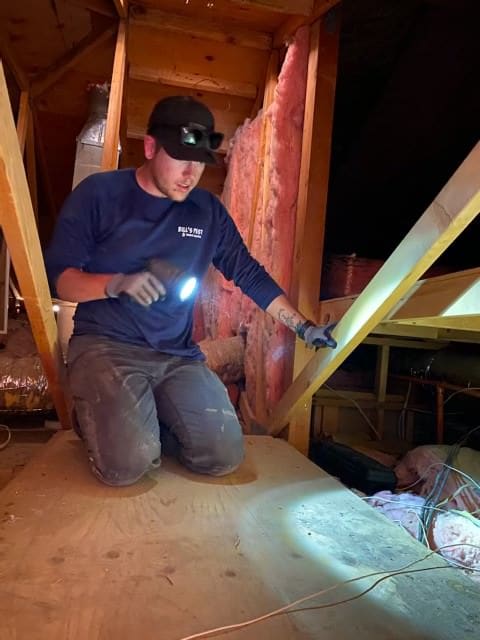
When you schedule a free termite inspection with Bill’s Pest Termite Control, you’re taking the first step toward protecting your home. Our certified termite inspectors will conduct a thorough examination of your property, looking for all the signs of termites in house structures, including areas that homeowners typically can’t access.
Our Comprehensive Inspection Includes:
Exterior Foundation Inspection: We examine your entire foundation for mud tubes, cracks, and other entry points
Interior Inspection: We check baseboards, door frames, window frames, and other wooden structures for hollow sounds and visible damage
Attic and Crawl Space Inspection: We access hard-to-reach areas where termites often go undetected
Moisture Assessment: We identify areas with excess moisture that attract termites
Detailed Report: We provide a comprehensive written report of our findings with photos and recommendations
Treatment Options: If we find termite activity, we’ll explain your treatment options and provide transparent pricing
Our inspections are thorough, professional, and completely free with no obligation. We believe that every Arizona homeowner deserves to know the true condition of their property when it comes to termite activity.
Preventing Termite Infestations in Arizona
While professional termite control is essential for eliminating existing infestations, there are steps you can take to make your property less attractive to termites. Prevention is always more cost-effective than treatment, and these simple measures can significantly reduce your risk.
Effective Termite Prevention Strategies:
1. Eliminate Moisture Sources: Fix leaky faucets, repair damaged gutters, and ensure proper drainage away from your foundation. Termites are attracted to moisture, and reducing water sources makes your property less appealing.
2. Remove Wood-to-Ground Contact: Keep firewood, lumber, and wooden debris away from your home’s foundation. Store firewood at least 20 feet from your house and elevate it off the ground.
3. Maintain Proper Ventilation: Ensure crawl spaces and attics are well-ventilated to reduce moisture buildup that attracts termites.
4. Seal Cracks and Gaps: Fill cracks in your foundation, seal gaps around utility lines, and repair damaged screens to eliminate termite entry points.
5. Trim Vegetation: Keep shrubs, trees, and plants trimmed back from your home’s exterior. Vegetation that touches your house can provide a bridge for termites.
6. Schedule Annual Inspections: The most effective prevention strategy is having your property professionally inspected every year. Early detection of signs of termite infestation allows for prompt treatment before major damage occurs.
The True Cost of Ignoring Termite Signs
Many homeowners underestimate the financial impact of termite damage. According to the National Pest Management Association, termites cause more than $5 billion in property damage annually in the United States. In Arizona, where termite activity is particularly high, the average cost to repair termite damage ranges from $3,000 to $8,000, with severe cases exceeding $20,000.
These costs include not just termite treatment but also structural repairs to damaged wood, drywall replacement, foundation work, and in severe cases, major reconstruction. Remember that most homeowners insurance policies don’t cover termite damage because it’s considered preventable.
Compare the Costs:
• Annual termite inspection: FREE from Bill’s Pest Termite Control
• Preventive termite treatment: $500-$1,500
• Repairing extensive termite damage: $3,000-$20,000+
The choice is clear: investing in regular inspections and prompt treatment when signs of termites appear is far more affordable than dealing with extensive structural damage down the road.
Learn More About Termite Protection
Expand your knowledge about termites and how to protect your Arizona property with these helpful resources from Bill’s Pest Termite Control:
🔗 Termite Control Services
Discover our comprehensive termite treatment options
🔗 Termite Inspection Services
Learn what’s included in our free termite inspections
🔗 What Are Termites?
Understanding termite biology and behavior
🔗 Termites in Phoenix AZ
Why Phoenix is a termite hotspot
🔗 Arizona Termite Specialists
Meet our team of certified termite experts
🔗 Termite Protection Program
Ongoing protection with renewable warranties

Don’t Let Termites Destroy Your Home
If you’ve noticed any of these signs of termites, or if it’s been more than a year since your last termite inspection, now is the time to act. Early detection and treatment can save you thousands of dollars in repair costs.
Schedule Your FREE Termite Inspection Today
No obligation. No hidden fees. Just honest, expert advice from Arizona’s termite specialists.
Available 24/7 for Emergency Service
Serving Phoenix, Scottsdale, Mesa, Chandler, Gilbert, Glendale, Tempe, Peoria, and all of Metropolitan Phoenix
Trusted by Thousands of Arizona Families
“The termite exterminator that other pest control companies call when they have a tough termite problem.”

Best Family Owned Termite Control in Arizona
Protecting your home from termites doesn’t have to be stressful or expensive. With Bill’s Pest Termite Control, you get honest, transparent service from a family-owned company that truly cares about protecting Arizona homes. We’ve built our reputation on providing safe, effective, and affordable termite control services backed by renewable warranties.
Whether you’ve spotted signs of termites in your home or you simply want the peace of mind that comes from a professional inspection, we’re here to help. Our certified termite inspectors have the training, experience, and equipment to identify even the most subtle signs of termite damage and provide effective solutions.
Don’t wait until termites have caused thousands of dollars in damage. Call Bill’s Pest Termite Control at (602) 308-4510 today to schedule your free termite inspection. Your home is your biggest investment—protect it with Arizona’s termite experts.
Related to 7 Signs of Termites in Arizona:
- Mud Looking Strings Hanging
- Arizona Termite Specialists
- Termite Droppings
- What are Termites
- Are Termites Harmful to Humans?
- Termite Repairs
- Top 10 Termite Cities
- Is Pest Control Good for Termites
- Are Termites Common?
- 7 Signs of Termites
- Check for Termites
- Mud Strings?
- What do Termites Look Like?
- Termites in Bathroom
- Termite Tubes in Ceiling
- Termite Tubes
- How Do I Know if I have Termites?
- Should I Buy a House That Has Been Treated for Termites?
- Termite Protection Program
- Termites in Phoenix Az
