


Cockroach Poop: The Complete Identification Guide for Phoenix Homeowners
Discovering cockroach poop in your Phoenix home or business can be alarming, but you’re not alone. Understanding what cockroach droppings look like, what they mean, and how to respond is the first step toward protecting your property and your family’s health. At Bill’s Pest Termite Control, we’ve helped thousands of Phoenix-area homeowners identify and eliminate cockroach infestations for over three decades. This comprehensive guide will help you identify cockroach poop, understand the risks, and take action to reclaim your space.
What Does Cockroach Poop Look Like?
Cockroach poop varies significantly depending on the species and size of the roach. Recognizing these differences is crucial for identifying which type of cockroach has invaded your Phoenix home. The appearance of cockroach droppings can range from tiny specks resembling ground coffee to larger cylindrical pellets with distinctive ridges.
The size and shape of cockroach poop provide important clues about the severity of your infestation and which species you’re dealing with. Smaller cockroaches produce droppings that look like fine particles, while larger species leave behind more substantial fecal matter that’s easier to spot but indicates a more established presence.
German Cockroach Poop
German cockroaches are the most common indoor cockroach species in Phoenix, and their droppings are distinctively small. German cockroach poop resembles finely ground black pepper or coffee grounds, appearing as tiny dark specks scattered across surfaces. These droppings are so small that homeowners often mistake them for dirt or spilled seasonings, especially when found in kitchen cabinets or near food preparation areas.
Because German cockroaches prefer warm, humid environments close to food and water sources, you’ll typically find German cockroach poop in kitchens and bathrooms. The droppings tend to accumulate in corners, along cabinet edges, behind appliances, and near plumbing fixtures. The sheer quantity of these tiny specks can indicate a significant infestation, as German cockroaches reproduce rapidly and live in large colonies.
American Cockroach Poop
American cockroaches, also known as palmetto bugs or water bugs, are the largest house-infesting cockroach species in Arizona. American cockroach poop is considerably larger and more distinctive than German roach droppings. These droppings are cylindrical in shape, measuring approximately one-quarter inch in length, with blunt ends and prominent ridges running along the sides.
The color of American cockroach poop ranges from dark brown to black, and the droppings often have a slight sheen due to the roach’s varied diet. You’ll find American cockroach droppings in basements, crawl spaces, garages, and around plumbing areas. These larger roaches often enter Phoenix homes through sewer lines and drains, so their droppings frequently appear near water sources and in damp, dark locations.
Oriental Cockroach Poop
Oriental cockroaches, commonly called sewer roaches or water bugs in Phoenix, produce droppings similar to American cockroach poop but slightly smaller. Oriental cockroach poop appears as dark, cylindrical pellets with blunt ends and visible ridges. These droppings typically measure around one-eighth inch in length and are very dark brown to black in color.
Oriental cockroaches thrive in cool, damp environments, making them common in Phoenix basements, crawl spaces, and areas around leaking pipes. Their droppings accumulate in these moisture-rich locations, often appearing along baseboards, in floor drains, and under sinks. The presence of Oriental cockroach poop near water sources is a telltale sign of this species’ activity in your home.

Cockroach Poop Vs Mouse Poop
Cockroach Poop vs. Mouse Droppings: How to Tell the Difference
One of the most common questions Phoenix homeowners ask is how to distinguish between cockroach poop and mouse droppings. While both types of pest feces can appear similar at first glance, there are several key differences that can help you identify which pest has invaded your property.
Mouse droppings are rod-shaped with distinctively pointed, pinched ends on both sides. They measure approximately one-eighth to one-quarter inch in length and have a smooth, uniform texture. Mouse poop is typically larger than most cockroach droppings and appears more consistent in size and shape.
In contrast, cockroach poop has blunt, rounded ends rather than pointed tips. Larger cockroach species produce droppings with visible ridges running lengthwise along the sides, which mouse droppings lack entirely. Small cockroach droppings appear as irregular specks rather than uniform pellets, making them easily distinguishable from the more structured appearance of mouse feces.
| Characteristic | Cockroach Poop | Mouse Droppings |
|---|---|---|
| End Shape | Blunt, rounded ends | Pointed, pinched ends |
| Texture | Ridged (large species) or granular (small species) | Smooth, uniform |
| Size | Varies: specks to 1/4 inch | 1/8 to 1/4 inch (consistent) |
| Appearance | Irregular, may resemble coffee grounds or pellets with ridges | Rod-shaped, uniform pellets |
| Color | Dark brown to black | Dark brown to black |
Understanding these differences is essential for Phoenix homeowners because the treatment approaches for cockroach infestations and rodent problems differ significantly. If you’re unsure which pest you’re dealing with, the experienced technicians at Bill’s Pest Termite Control can provide a professional inspection and accurate identification.
Where Do Cockroaches Poop?
Cockroaches have no sense of bathroom hygiene and defecate wherever they travel, eat, and rest. Understanding where cockroaches poop can help Phoenix homeowners identify infestation hot spots and target their cleaning and prevention efforts more effectively.
Cockroach droppings accumulate most heavily in areas where these pests spend the majority of their time. These locations typically provide the three essentials cockroaches need to survive: food, water, and shelter. By identifying where cockroach poop appears most frequently in your home, you can pinpoint nesting sites and take targeted action to eliminate the infestation.
Common Locations for Cockroach Droppings in Phoenix Homes
Kitchen areas are prime locations for cockroach poop, particularly behind and beneath appliances like refrigerators, stoves, and dishwashers. The warmth, moisture, and food particles in these areas create ideal conditions for cockroaches. You’ll often find droppings along the edges of cabinets, in pantries, near garbage bins, and around food storage areas. Cockroach poop may appear on countertops, inside drawers, and even inside small appliances if the infestation is severe.
Bathroom spaces attract cockroaches due to consistent moisture and humidity. Oriental and American cockroaches especially favor these environments. Look for cockroach droppings under sinks, around toilet bases, near bathtubs and showers, and along bathroom baseboards. Leaking pipes and fixtures create particularly attractive conditions, often resulting in concentrated accumulations of cockroach poop in these areas.
Dark, secluded spaces throughout your Phoenix home serve as cockroach hiding spots and nesting areas. Basements, crawl spaces, attics, and storage areas often harbor significant cockroach populations. Droppings accumulate in corners, along wall-floor junctions, inside cardboard boxes, and within clutter. Garages and utility rooms with water heaters or HVAC systems also attract cockroaches, and their droppings will be evident in these locations.
Plumbing and utility areas provide both moisture and access points for cockroaches entering Phoenix homes. Cockroach poop frequently appears around pipes, in wall voids near plumbing, inside cabinets housing water lines, and near water heaters. Sewer roaches (Oriental and American cockroaches) particularly favor these locations, leaving their distinctive cylindrical droppings as evidence of their presence.
How Often Do Cockroaches Poop?
Cockroaches defecate frequently throughout their active periods, which primarily occur at night. The frequency of cockroach defecation depends on several factors, including the species, the roach’s size and age, and the availability of food and water. Understanding how often cockroaches poop helps explain why even a small infestation can quickly result in visible droppings throughout your Phoenix home.
Adult cockroaches typically defecate multiple times per day as they continuously forage for food and water. Because cockroaches are opportunistic feeders with fast metabolisms, they produce waste regularly as they move through your home. A single German cockroach can produce dozens of tiny fecal specks daily, while larger American or Oriental cockroaches produce fewer but more substantial droppings.
The quantity of cockroach poop in your home directly correlates with the size of the infestation. A few cockroaches may leave minimal, barely noticeable droppings. However, a moderate to severe infestation will result in obvious accumulations of feces in multiple locations. The more droppings you find, and the more locations where they appear, the more urgent your need for professional cockroach control services becomes.
Cockroach droppings also contain pheromones that attract other cockroaches to the same areas. This means that locations with visible cockroach poop will continue to attract more roaches, creating a cycle that accelerates infestation growth. The pheromones in cockroach feces essentially serve as a “welcome sign” for other roaches, directing them to food sources, water, and suitable nesting sites.
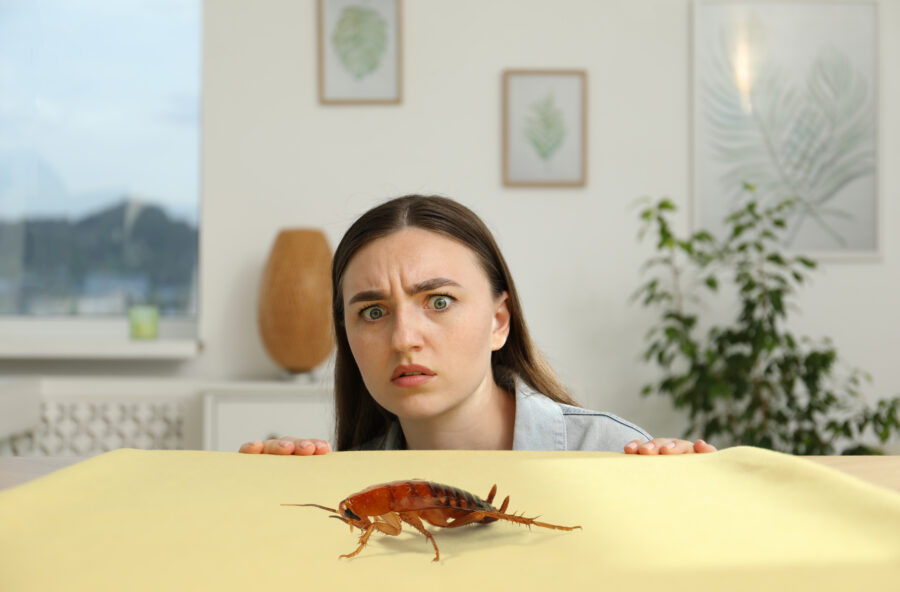
Health Risks of Cockroach Poop
Cockroach poop poses significant health risks to Phoenix homeowners and their families. These droppings are not merely unsightly; they actively threaten human health through multiple pathways. Understanding the dangers associated with cockroach feces underscores the importance of prompt, professional treatment when you discover these droppings in your home or business.
Bacterial Contamination and Disease Transmission
Cockroaches are indiscriminate feeders that consume garbage, sewage, decaying organic matter, and contaminated food. As they digest these materials, their bodies retain dangerous pathogens that are subsequently expelled in their feces. Cockroach poop can harbor numerous disease-causing bacteria, including Salmonella, E. coli, and various other harmful microorganisms.
When cockroach droppings contaminate food preparation surfaces, pantries, or stored food items, these pathogens can transfer to humans. Food poisoning, gastrointestinal infections, and other illnesses can result from exposure to contaminated surfaces or consumption of food that has come into contact with cockroach poop. This risk is particularly acute in Phoenix kitchens and restaurants where cockroaches have access to food storage and preparation areas.
Allergic Reactions and Asthma Triggers
Cockroach poop contains potent allergens that can trigger severe allergic reactions and asthma attacks, particularly in children and individuals with respiratory sensitivities. As cockroach droppings dry and break down, microscopic particles become airborne and circulate through your home’s ventilation system. These airborne allergens can cause congestion, coughing, itchy throat, watery eyes, and difficulty breathing.
Research has established a clear link between cockroach allergen exposure and increased asthma severity, especially in urban environments. Phoenix families with asthmatic members face heightened risks when cockroach infestations go untreated. The allergens in cockroach poop, combined with particles from shed skins, saliva, and body parts, create a toxic environment for sensitive individuals.
HVAC systems and ceiling fans can distribute cockroach allergens throughout your entire home, meaning that droppings in one area can affect air quality in distant rooms. This widespread distribution makes thorough professional treatment essential for protecting your family’s health and improving indoor air quality.
What Does Finding Cockroach Poop Mean?
Discovering cockroach poop in your Phoenix home or business is never a good sign. These droppings indicate an active or recent cockroach infestation that requires immediate attention. Understanding what cockroach droppings mean helps you assess the severity of your situation and take appropriate action.
Active infestation is the primary message that cockroach poop conveys. Cockroaches are living, feeding, breeding, and moving through your property right now. The presence of fresh droppings (which appear moist and darker) indicates recent cockroach activity, while older, dried droppings suggest an established infestation that has been present for some time.
The quantity and distribution of cockroach poop provide clues about infestation severity. A few scattered droppings in one location might indicate a small, newly established population. However, extensive droppings in multiple rooms, particularly in areas far from entry points, signal a large, well-established infestation that has likely spread throughout your property.
Species identification through droppings helps determine the best treatment approach. Small, pepper-like droppings suggest German cockroaches, which reproduce rapidly and require aggressive treatment. Larger, cylindrical droppings indicate American or Oriental cockroaches, which may be entering through plumbing or exterior access points. Professional pest control experts like those at Bill’s Pest Termite Control can identify species and tailor treatment accordingly.
Hidden populations are revealed by cockroach poop. Remember that cockroaches are nocturnal and spend most of their time hidden in walls, crevices, and dark spaces. For every dropping you see, many more cockroaches are concealed nearby. The droppings you discover represent only a fraction of the total infestation.
How to Clean Up Cockroach Poop Safely
Proper cleanup of cockroach poop is essential for protecting your health and preventing the spread of allergens and bacteria throughout your Phoenix home. However, cleaning droppings alone will not eliminate the infestation. Professional pest control treatment must accompany cleanup efforts to address the source of the problem.
Safety Precautions for Cockroach Poop Cleanup
Protect yourself before beginning any cleanup of cockroach droppings. Wear disposable gloves, a face mask or respirator, and protective eyewear to prevent direct contact with feces and avoid inhaling airborne particles. Long sleeves and pants provide additional protection, especially when cleaning heavily contaminated areas.
Ventilate the area by opening windows and using fans to improve air circulation. However, avoid creating excessive air movement that could spread dried cockroach poop particles throughout your home. Proper ventilation helps reduce allergen concentration while you work.
Step-by-Step Cockroach Poop Cleanup Process
Vacuum thoroughly using a vacuum cleaner equipped with a HEPA filter, which traps fine particles and prevents them from recirculating into the air. Carefully vacuum all visible cockroach droppings, paying special attention to corners, crevices, and areas behind appliances. Empty the vacuum canister or replace the bag immediately after use, sealing the contents in a plastic bag before disposing of it in an outdoor trash receptacle.
Wash and disinfect all affected surfaces using hot, soapy water followed by a disinfectant solution. Scrub thoroughly to remove any residual droppings and eliminate bacteria. Pay particular attention to food preparation areas, inside cabinets, and around appliances. Use a fresh cleaning cloth or disposable paper towels, and dispose of them immediately after use.
Launder contaminated items such as dish towels, curtains, or other fabrics that may have come into contact with cockroach poop. Use hot water and detergent, and dry items on the highest heat setting appropriate for the fabric. This kills any remaining bacteria and removes allergens.
Dispose of cleanup materials properly by sealing all used gloves, masks, cleaning cloths, and vacuum bags in plastic bags. Remove these bags from your home immediately and place them in outdoor trash bins to prevent recontamination.
Remember that cleaning cockroach poop addresses only the symptoms of your infestation, not the cause. The cockroaches themselves must be eliminated through professional treatment. Contact Bill’s Pest Termite Control for comprehensive cockroach elimination services that address both the visible evidence and the hidden populations.

Cockroach Species in Metropolitan Phoenix, Arizona
Metropolitan Phoenix is home to several cockroach species, each with distinct characteristics, behaviors, and habitat preferences. Understanding which species has invaded your property helps determine the most effective treatment approach and prevention strategies.
German Cockroaches in Phoenix
German cockroaches (Blattella germanica) are the most common and problematic indoor cockroach species in Phoenix. These small roaches measure approximately one-half to five-eighths inch in length and are light brown to tan with two distinctive dark parallel stripes running down their backs. German cockroaches reproduce at an alarming rate, with females producing up to 400 offspring in their lifetime.
These roaches prefer warm, humid environments close to food and water sources, making Phoenix kitchens and bathrooms their primary habitats. German cockroaches rarely venture outdoors and are almost exclusively indoor pests. They hide in cracks and crevices during the day and emerge at night to forage. Their small size allows them to squeeze through tiny openings, making them difficult to exclude from buildings.
German cockroach poop appears as tiny specks resembling ground black pepper or coffee grounds. These droppings accumulate rapidly due to the species’ high reproduction rate and large colony sizes. If you suspect German cockroach activity, immediate professional treatment is essential to prevent population explosion.
American Cockroaches in Phoenix
American cockroaches (Periplaneta americana) are the largest house-infesting cockroach species in Arizona, measuring up to two inches in length. Despite their name, these roaches are believed to have originated in Africa and arrived in North America via ships. American cockroaches are reddish-brown with a distinctive yellowish figure-eight pattern on the back of their heads.
In Phoenix, American cockroaches commonly inhabit sewers, storm drains, and commercial buildings. They enter homes through plumbing systems, gaps around pipes, and other structural openings. These roaches prefer warm, damp environments and are often found in basements, crawl spaces, and around water heaters. American cockroaches can fly short distances, particularly in warm weather.
American cockroach poop consists of cylindrical droppings with blunt ends and prominent ridges, measuring approximately one-quarter inch in length. The presence of these larger droppings often indicates entry through plumbing or exterior access points, requiring comprehensive treatment that addresses both interior infestations and exterior populations.
Oriental Cockroaches in Phoenix
Oriental cockroaches (Blatta orientalis), commonly called sewer roaches or water bugs in Phoenix, are dark brown to black and measure approximately one inch in length. These roaches have a notably shiny appearance and prefer cooler, damper environments than other species. Oriental cockroaches are slower-moving than German or American cockroaches and cannot climb smooth vertical surfaces.
Phoenix homeowners typically encounter Oriental cockroaches in basements, crawl spaces, and areas with plumbing leaks or standing water. These roaches often enter homes through floor drains, gaps around pipes, and cracks in foundations. They produce a characteristic musty odor that becomes noticeable when infestations are substantial.
Oriental cockroach poop resembles American cockroach droppings but is slightly smaller, appearing as dark, cylindrical pellets with blunt ends and ridges. Finding these droppings near water sources or in damp areas of your Phoenix home indicates Oriental cockroach activity and potential moisture problems that are attracting these pests.
Turkestan Cockroaches in Phoenix
Turkestan cockroaches (Blatta lateralis) were first discovered in Arizona in 1982 and have become increasingly common in the Phoenix and Tucson areas. These roaches measure approximately one inch in length. Males are tan with cream-colored markings and have fully developed wings, while females are dark brown to black with short wing pads.
Turkestan cockroaches primarily live outdoors in Phoenix, inhabiting water meter boxes, irrigation systems, landscaping materials, and compost piles. They occasionally enter homes but generally prefer exterior environments. These roaches are sometimes called “red runner roaches” due to the males’ coloration and quick movement.
While Turkestan cockroaches produce droppings similar to other outdoor species, they are less likely to create significant indoor contamination. However, their presence around your Phoenix property can lead to occasional indoor invasions, and their outdoor populations should be managed to prevent entry.
Preventing Cockroach Infestations in Phoenix Homes
Prevention is the most effective long-term strategy for keeping cockroaches and their droppings out of your Phoenix home. While professional pest control provides essential treatment for existing infestations, implementing preventive measures reduces the likelihood of future problems and protects your property investment.
Eliminate Food Sources
Cockroaches require food to survive, and even small amounts of accessible food can sustain large populations. Store all food items in sealed, airtight containers made of glass or heavy plastic. Never leave food out overnight, including pet food bowls. Clean up crumbs and spills immediately, and sweep or vacuum kitchen floors daily.
Maintain strict garbage management practices by using trash cans with tight-fitting lids and emptying them daily. Clean garbage cans regularly to remove residue and odors that attract cockroaches. In Phoenix’s warm climate, outdoor garbage bins should be located away from your home’s exterior walls and kept tightly sealed to prevent cockroach access.
Remove Water Sources
Water is essential for cockroach survival, and Phoenix cockroaches actively seek moisture sources. Fix all leaking pipes, faucets, and fixtures promptly. Wipe down sinks, tubs, and showers before bed to eliminate standing water. Don’t leave pet water bowls out overnight, and ensure that houseplant saucers don’t accumulate excess water.
Address humidity issues in bathrooms, basements, and crawl spaces using dehumidifiers or improved ventilation. In Phoenix’s dry climate, even small water sources become magnets for cockroaches, making moisture control particularly important for prevention.
Seal Entry Points
Cockroaches can squeeze through remarkably small openings. Inspect your Phoenix home’s exterior and seal cracks in the foundation, gaps around windows and doors, and openings where utility lines enter the building. Use weatherstripping on doors and windows, and install door sweeps to eliminate gaps at thresholds.
Pay special attention to plumbing entry points, as American and Oriental cockroaches often enter Phoenix homes through gaps around pipes. Seal these openings with caulk or expanding foam. Install screens over floor drains and ensure that all vents have properly fitted screens to prevent cockroach entry.
Reduce Clutter and Hiding Places
Cockroaches thrive in cluttered environments that provide numerous hiding spots. Minimize clutter throughout your home, particularly in storage areas, basements, and garages. Store items in sealed plastic containers rather than cardboard boxes, which cockroaches can easily penetrate and which provide both food (the cardboard itself) and shelter.
Regularly clean behind and beneath appliances, where cockroaches often hide and leave droppings. Move stored items away from walls to reduce hiding spaces and make inspections easier. In Phoenix homes, pay particular attention to garages and outdoor storage areas, which can harbor cockroach populations that eventually move indoors.

Best Cockroach Pest Control in Phoenix Az
Why Choose Bill’s Pest Termite Control for Cockroach Problems in Phoenix?
When you discover cockroach poop in your Phoenix home or business, you need a pest control partner with the expertise, experience, and commitment to eliminate the problem completely. Bill’s Pest Termite Control has served the Phoenix metropolitan area for over three decades, earning a reputation as the region’s most trusted cockroach extermination service.
Our team of licensed, experienced technicians understands the unique challenges that Phoenix’s climate and urban environment present for cockroach control. We don’t just treat the symptoms; we identify the species, locate nesting sites, eliminate existing populations, and implement preventive measures to keep cockroaches from returning. Our comprehensive approach addresses both the visible evidence, like cockroach poop, and the hidden populations that perpetuate infestations.
Bill’s Pest Termite Control uses the latest treatment technologies and EPA-approved products that are effective against cockroaches while remaining safe for your family and pets. We tailor our treatment plans to your specific situation, whether you’re dealing with German cockroaches in your kitchen, American cockroaches entering through plumbing, or Oriental cockroaches in your basement.
Our commitment to customer satisfaction is reflected in our over 8,000 five-star reviews and 4.9 customer rating. Phoenix homeowners and business owners trust us because we deliver results, stand behind our work, and treat every property with the care and professionalism it deserves. We understand that discovering cockroaches in your space is stressful, and we work quickly to restore your peace of mind.
Frequently Asked Questions About Cockroach Poop
Can cockroach poop make you sick?
Yes, cockroach poop can make you sick through multiple pathways. The droppings contain bacteria such as Salmonella and E. coli that can cause food poisoning and gastrointestinal illness if they contaminate food or food preparation surfaces. Additionally, cockroach poop contains allergens that trigger asthma attacks, allergic reactions, and respiratory problems, particularly in children and sensitive individuals. The health risks associated with cockroach droppings make professional elimination of infestations essential for protecting your family.
How do I know if I have a cockroach infestation or just a few roaches?
The quantity and distribution of cockroach poop provide important clues about infestation severity. A few scattered droppings in one location might indicate a small population, while extensive droppings in multiple rooms signal a significant infestation. Other signs include seeing live cockroaches (especially during daytime, which indicates overcrowding), finding egg cases, detecting a musty odor, and discovering cockroach body parts or shed skins. If you’re seeing any cockroach poop, it’s wise to contact professional pest control services for an inspection, as even small populations can grow rapidly.
Do cockroaches poop where they eat?
Yes, cockroaches defecate wherever they travel, including where they eat. Cockroaches have no concept of sanitation and will leave droppings directly on food sources, in food storage areas, and on food preparation surfaces. This behavior is particularly concerning because it means that any area where you find cockroach poop has likely been contaminated with bacteria and pathogens from the roaches’ digestive systems. This is why thorough cleaning and disinfection must accompany professional pest control treatment.
Can I vacuum cockroach poop?
Yes, you can and should vacuum cockroach poop, but only with a vacuum cleaner equipped with a HEPA filter. Regular vacuums may spread allergens and bacteria through the air as they exhaust. Always wear protective gear (gloves and mask) when vacuuming cockroach droppings, and immediately empty the vacuum canister or replace the bag after use. Seal the contents in a plastic bag and dispose of it in an outdoor trash receptacle. Remember that vacuuming removes only the visible droppings; professional treatment is necessary to eliminate the cockroaches producing them.
How long does it take for cockroach poop to appear after an infestation starts?
Cockroach droppings begin appearing almost immediately after roaches enter your home, as these pests defecate frequently throughout their active periods. However, you may not notice the droppings right away, especially if the initial population is small or the cockroaches are hiding in concealed areas. German cockroaches, which reproduce rapidly, can produce noticeable accumulations of droppings within a few weeks of initial infestation. By the time you discover obvious cockroach poop, the infestation has likely been present for some time and requires professional attention.
Are cockroach droppings worse than the cockroaches themselves?
Both cockroach droppings and the cockroaches themselves pose serious health and sanitation risks. The droppings contain allergens and bacteria that can cause illness and respiratory problems, while live cockroaches spread these same pathogens as they move through your home. Additionally, cockroach poop contains pheromones that attract more roaches, perpetuating and expanding the infestation. The presence of droppings indicates active cockroach populations, so addressing the infestation comprehensively is essential for protecting your health and property.
Will cockroaches go away on their own if I clean up their poop?
No, cockroaches will not go away on their own, even if you thoroughly clean up their droppings. Cleaning removes the visible evidence and reduces health risks, but it doesn’t eliminate the cockroaches producing the droppings. Cockroaches are resilient pests that reproduce rapidly and adapt to many DIY control methods. Professional pest control treatment is necessary to eliminate existing populations, destroy egg cases, and prevent reinfestation. Combining professional treatment with sanitation and prevention measures provides the most effective long-term solution.

Take Action Today: Free Cockroach Inspection from Bill’s Pest Termite Control
If you’ve discovered cockroach poop in your Phoenix home or business, don’t wait for the problem to worsen. Every day that passes allows the infestation to grow, putting your health and property at greater risk. Bill’s Pest Termite Control offers free inspections and evaluations to determine the extent of your cockroach problem and whether professional services are necessary.
Our experienced technicians will thoroughly inspect your property, identify the cockroach species, locate nesting sites and entry points, and provide you with a comprehensive treatment plan tailored to your specific situation. We’ll explain exactly what we find, answer all your questions, and give you honest recommendations about the best course of action.
Don’t let cockroaches and their disease-carrying droppings compromise your family’s health and your peace of mind. Contact Bill’s Pest Termite Control today for your free inspection. Call us at (602) 308-4510, text us 24/7 at (602) 786-7386, or visit our website to schedule your hassle-free consultation. Let Phoenix’s most trusted pest control experts help you reclaim your space and protect what matters most.
Bill’s Pest Termite Control
24820 N 16th Ave #130
Phoenix, Arizona 85085
Office Hours: Monday – Friday, 8AM to 5PM
Main Office: (602) 308-4510
24/7 Text: (602) 786-7386
Serving the entire Phoenix metropolitan area with over 30 years of pest control excellence. Over 8,000 five-star reviews. 4.9 customer rating. Your trusted partner for cockroach elimination.
Related Roach Control Content:
